
The ideal kitchen island width can vary, but a good rule of thumb is to ensure at least 36 to 42 inches of clearance on all working sides. This ensures comfortable movement and functionality.
When planning your kitchen, one of the most exciting additions is a kitchen island. It’s a versatile hub for cooking, dining, and gathering. But to make it truly functional and beautiful, you need to get the dimensions just right. This guide will help you figure out how wide your kitchen island should be, looking at everything from standard sizes to the specific needs of your space.
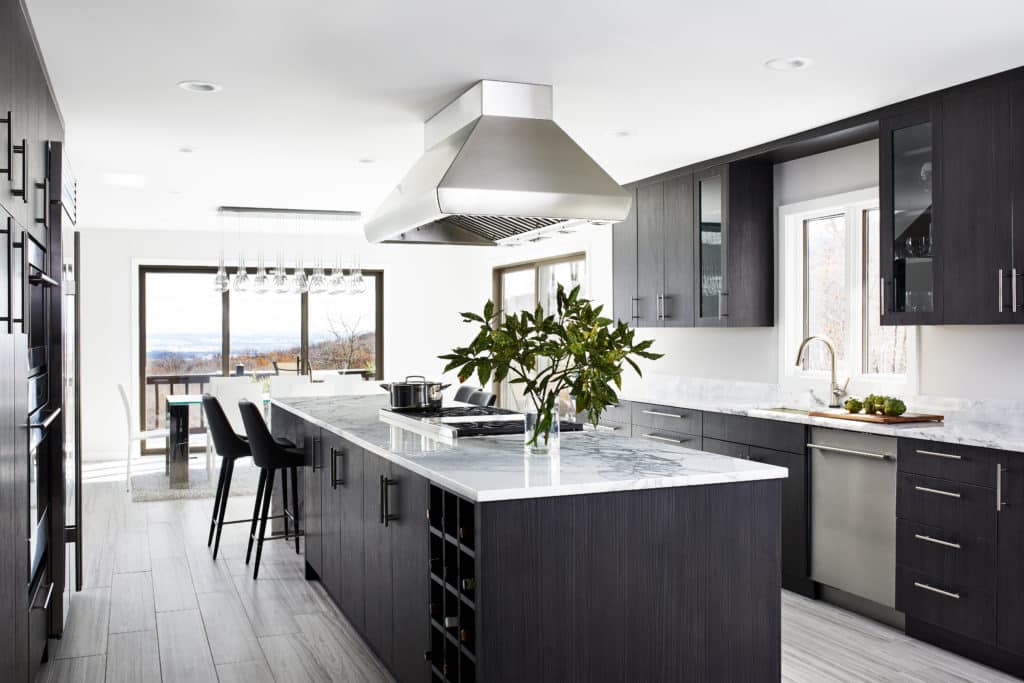
Image Source: jackrosen.com
Deciphering the Ideal Width for Your Kitchen Island
The width of a kitchen island isn’t just about fitting it into your kitchen; it’s about creating a practical and safe workspace. A well-proportioned island enhances workflow, provides ample counter space, and makes your kitchen a more enjoyable place to be.
Standard Kitchen Island Size: What Works for Most Homes?
While there’s no single “perfect” width, standard kitchen island size often falls between 2 to 4 feet wide (24 to 48 inches). This range generally accommodates most kitchen layouts and offers a good balance of counter space and room for movement.
- 2-3 feet wide: These islands are great for smaller kitchens or as a more compact prep area. They don’t dominate the space and still offer useful counter surface.
- 3-4 feet wide: This is a very common and versatile width, offering more substantial prep and serving space. It works well in medium to larger kitchens.
- 4+ feet wide: For very large kitchens, wider islands can act as a significant statement piece and provide extensive workspace, as well as room for multiple seating areas.
The exact width you choose will depend on the overall dimensions of your kitchen and how you plan to use the island.
Minimum Kitchen Island Width: Essential for Flow
The minimum kitchen island width is crucial for ensuring you can move around your kitchen easily. Cramped spaces can make cooking and entertaining a chore.
- 3 feet (36 inches): This is often considered the absolute minimum width for a functional island, especially if you plan to have seating or substantial storage.
- Consider Work Zones: Think about the pathways around the island. You need enough space to open appliance doors, pull out drawers, and walk past people seated at the island without feeling squeezed.
If your kitchen is on the smaller side, opting for a narrower island might be necessary. However, don’t go too narrow that it becomes impractical. A width of 30-36 inches might work in very tight spaces, but always prioritize clearance.
Ideal Kitchen Island Depth: Balancing Function and Form
While this guide focuses on width, it’s important to briefly touch on ideal kitchen island depth. Most kitchen islands are 25 to 36 inches deep.
- Standard Counter Depth: The typical depth of kitchen countertops is 24 inches. Adding an overhang for seating or decorative panels can increase this.
- Seating Overhang: If you plan to have seating, you’ll need an overhang. A comfortable overhang for counter-height stools is typically 10-15 inches. This means an island that is 36 inches deep might have a 24-inch cabinet base plus a 12-inch overhang.
- Storage Needs: Deeper islands can accommodate more substantial storage, such as pull-out pantries or deeper cabinets.
The depth, combined with the width, creates the overall footprint of your island and influences how much you can do with it.
Calculating Kitchen Island Clearance: The Key to a Functional Layout
Perhaps even more important than the island’s width is the kitchen island clearance. This refers to the space left around the island for movement and access.
How Much Space for Kitchen Island? Navigating the Pathways
This is a question that comes up frequently, and it’s vital for a well-functioning kitchen. The general rule for how much space for kitchen island is:
- Main Traffic Areas: Aim for at least 42 inches in main walkways. This allows two people to comfortably pass each other or for someone to walk behind someone working at the island.
- Working Zones: In areas where you’ll be opening cabinets, drawers, or appliances (like the dishwasher or oven door), a minimum of 36 inches is usually recommended. If these appliances are directly opposite the island, you might need closer to 48 inches.
- Seating Areas: If seating is on the side of the island, ensure enough space behind the chairs for people to get in and out easily. Aim for at least 48 inches from the edge of the island to the nearest wall or obstacle behind the seating.
Kitchen Island Placement Width: Strategic Positioning
The kitchen island placement width refers to how you position the island relative to other kitchen elements. This impacts the overall flow and usability of your kitchen.
- Between Countertops: If placing an island between two parallel countertops or cabinets, aim for at least 42-48 inches of clearance. This is crucial for opening cabinets and working comfortably.
- Against a Wall: If the island is placed perpendicular to a wall, ensure at least 36 inches of clearance to walk behind it.
- Against a Diagonal Wall: This can be tricky. Measure the narrowest point to ensure adequate passage.
Table 1: Recommended Kitchen Island Clearance
| Clearance Area | Minimum Recommended Width | Ideal Recommended Width | Notes |
|---|---|---|---|
| Between island and main counter | 36 inches | 42-48 inches | Allows for cabinet/drawer opening and comfortable passage. |
| Between island and wall/backsplash | 36 inches | 42 inches | Essential for walking behind the island. |
| Behind island seating | 48 inches | 54 inches | Allows people to get in and out of chairs easily. |
| Clearance for appliance doors (fridge, oven, dishwasher) | 42 inches | 48 inches | Crucial for access when the appliance is open. |
Ensuring Safe Passage: A Priority
The width of your island and the surrounding clearance work together. If you have a wider island, you might need to sacrifice a bit of clearance in less-trafficked areas, but never compromise the main walkways. Conversely, if you have a very large kitchen, you can afford to have a wider island and still maintain generous clearance.
Small Kitchen Island Size: Making the Most of Limited Space
For kitchens where space is at a premium, choosing the right size for your island is critical. A small kitchen island size needs to be functional without overwhelming the room.
Narrow Islands for Tight Fits
- Width: Consider islands that are 24-36 inches wide.
- Depth: Keep the depth to a standard 25-30 inches to minimize the footprint.
- Rolling Islands: A portable or rolling island can be a fantastic solution. You can move it out of the way when not in use, or bring it closer for extra prep space. These often have widths ranging from 18 to 30 inches.
Islands with Built-in Storage
- Slim Storage Units: Look for islands with shallow cabinets or open shelving on one side. This can provide storage without demanding too much depth or width.
- One-Sided Functionality: An island that only has countertop space on one side and storage on the other can be more space-efficient.
The “Galley Kitchen” Approach
In a galley kitchen, where you have two parallel walls of cabinets, a narrow island can fit in the center. Ensure there’s still enough clearance (at least 36 inches, preferably 42 inches) on both sides for comfortable passage.
Large Kitchen Island Dimensions: Statement Pieces and Ultimate Functionality
For those with spacious kitchens, the possibilities for island size expand significantly. Large kitchen island dimensions can transform a kitchen into a chef’s dream.
Expansive Workstations
- Width: Islands can easily be 5 feet (60 inches) wide or even much larger, often extending 8-10 feet or more.
- Depth: Deeper islands (36 inches or more) are feasible and can accommodate double-sided cabinets, specialized storage, or even integrated appliances like sinks or cooktops.
Multi-Zone Islands
- Prep Areas: Dedicate a significant portion to a large, uninterrupted prep surface.
- Seating: Accommodate multiple stools or even a small dining nook.
- Appliance Hubs: Integrate a secondary sink, dishwasher, or wine fridge.
Maintaining Balance
Even with large dimensions, it’s important to maintain a sense of proportion within the kitchen. A giant island in a moderately sized kitchen can feel overwhelming. Consider the visual weight and scale of your other kitchen elements. Ensure that you still have adequate clearance around your large island for ease of movement.
Kitchen Island Seating Width: Comfort for Your Guests
If you envision your island as a place for casual dining or socializing, the kitchen island seating width is paramount.
Stool Spacing
- Counter-Height Stools: Allow about 24-30 inches of width per person for comfortable seating at a counter-height island. This gives them enough elbow room.
- Bar-Height Stools: Bar-height seating requires slightly more space, so plan for around 28-32 inches per person.
Calculating Seating Capacity
- Example: If your island is 6 feet (72 inches) long and you want seating on one side, and you allow 24 inches per person, you can comfortably seat 3 people (72 / 24 = 3). If you have a 9-foot (108-inch) island, you could seat 4-5 people.
Seating Placement
- Consider Traffic Flow: Avoid placing seating directly in the main traffic path.
- Overhang Necessity: Ensure you have a sufficient overhang (10-15 inches for counter height) for people to tuck their legs under comfortably.
Fathoming the Depth of Your Kitchen Island: Beyond the Width
While we’re talking width, it’s important to remember that ideal kitchen island depth is a crucial partner to width.
Standard Depth Considerations
- 24-inch Cabinet Base: This is the most common depth for kitchen cabinets.
- Adding an Overhang: A typical overhang for a countertop is 1.5 inches on the working side. For seating, you’ll need 10-15 inches. This brings the total depth to 25.5 inches (cabinet + overhang) up to 39 inches (cabinet + seating overhang).
- Deeper Storage: Some islands can be deeper to accommodate specific storage needs, like pull-out pantry shelves or specialized appliance garages.
How Depth Affects Width Needs
A deeper island might require slightly more clearance on the sides to avoid feeling cramped, especially if it has seating. Always measure the total footprint of your island, including any overhangs, when planning your clearances.
Kitchen Island Clearance: The Unsung Hero of Functionality
Let’s reiterate the importance of kitchen island clearance. This is the space around the island that dictates how easy it is to use your kitchen.
Key Clearance Zones Revisited
- Work Triangle/Zones: Ensure clear pathways between the island, sink, refrigerator, and cooktop.
- Appliance Access: Remember to account for doors and drawers that swing open.
- Seating Comfort: Never underestimate the need for space behind chairs.
The “Landing Strip” Effect
Think of the clearance as a landing strip for movement. If it’s too short, you’ll be bumping into things, which is not only frustrating but can also be dangerous.
Small Kitchen Island Size: Creative Solutions for Compact Spaces
When your kitchen is small, you need to be clever with your small kitchen island size.
The “Table” Island
- Consider an island that looks more like a table, perhaps with legs. These often have a smaller footprint and can be less visually imposing.
- Wheeled carts that serve as islands can be incredibly useful, offering flexibility.
Multi-Functional Islands
- Butcher Block Tops: A butcher block top can double as a cutting surface and a beautiful finish.
- Rolling Carts: Some carts have drop-leaf extensions, giving you more surface area when needed.
Large Kitchen Island Dimensions: Maximizing Space and Style
With large kitchen island dimensions, you have the opportunity to create a truly spectacular and highly functional centerpiece.
Island Shape Matters
- Rectangular: The most common and versatile.
- L-Shaped or U-Shaped: Can offer extensive counter space and seating, but require careful placement to avoid blocking traffic.
- Circular or Oval: Can create a softer look and improve flow in some layouts, but might have less usable counter space compared to a rectangular island of the same width.
Integrated Appliances
- Cooktops: Often require islands that are at least 36 inches deep to accommodate the unit and ventilation.
- Sinks: Need adequate depth for the basin and surrounding counter space for prep.
Kitchen Island Seating Width: Comfort is King
The kitchen island seating width directly impacts how enjoyable your island dining experience will be.
Stool Types and Space
- Backless Stools: Can be tucked completely under the island, saving space when not in use.
- Stools with Backs: Offer more comfort but require more space behind them.
Ensuring Enough Legroom
The 10-15 inch overhang is essential for legroom. If you opt for less, your guests will feel cramped.
Comprehending Kitchen Island Clearance: The Final Check
Before you finalize your island’s width and placement, do a final check of all clearances.
Walk the Space
- Imagine using your kitchen. Open doors, pull out drawers, and walk the paths you’ll use daily. This mental walkthrough is invaluable.
- Use painter’s tape on the floor to mark out the island’s proposed dimensions and clearances. This gives you a real-world feel for the space.
Consider Your Habits
- Are you someone who frequently cooks with multiple people in the kitchen? You’ll need more clearance.
- Do you entertain often? Ensure there’s enough space for guests to mingle without getting in the way.
Frequently Asked Questions (FAQs)
Q1: What is the standard width of a kitchen island?
A1: The standard kitchen island width typically ranges from 2 to 4 feet (24 to 48 inches).
Q2: Can I have a kitchen island in a small kitchen?
A2: Yes, you can! Opt for a smaller kitchen island size, such as a narrow island (24-36 inches wide) or a rolling cart. Prioritize clearance.
Q3: How much space do I need between my island and the cabinets?
A3: You need a minimum of 36 inches, but 42-48 inches is ideal for comfortable movement and opening cabinets.
Q4: What is the minimum kitchen island width?
A4: The minimum kitchen island width for functionality is generally considered to be 3 feet (36 inches), especially if you plan for seating or significant storage.
Q5: How much space is needed for kitchen island seating?
A5: Allow 24-30 inches of width per person for comfortable kitchen island seating, along with a 10-15 inch overhang.
Q6: What is the ideal kitchen island depth?
A6: The ideal kitchen island depth often ranges from 25 to 36 inches, depending on whether you include seating overhangs or specialized storage.
Q7: How do I determine the best kitchen island placement width?
A7: Consider the main traffic flow, appliance clearances, and how the island relates to other kitchen elements. Measure your space carefully and map out pathways.
Q8: Can I have a very large kitchen island?
A8: If you have a large kitchen, you can certainly accommodate large kitchen island dimensions (5+ feet wide). Just ensure it remains proportional to the room and maintains adequate clearance.
By carefully considering these dimensions and clearances, you can select a kitchen island that perfectly fits your space, enhances your workflow, and becomes a beloved part of your home.